

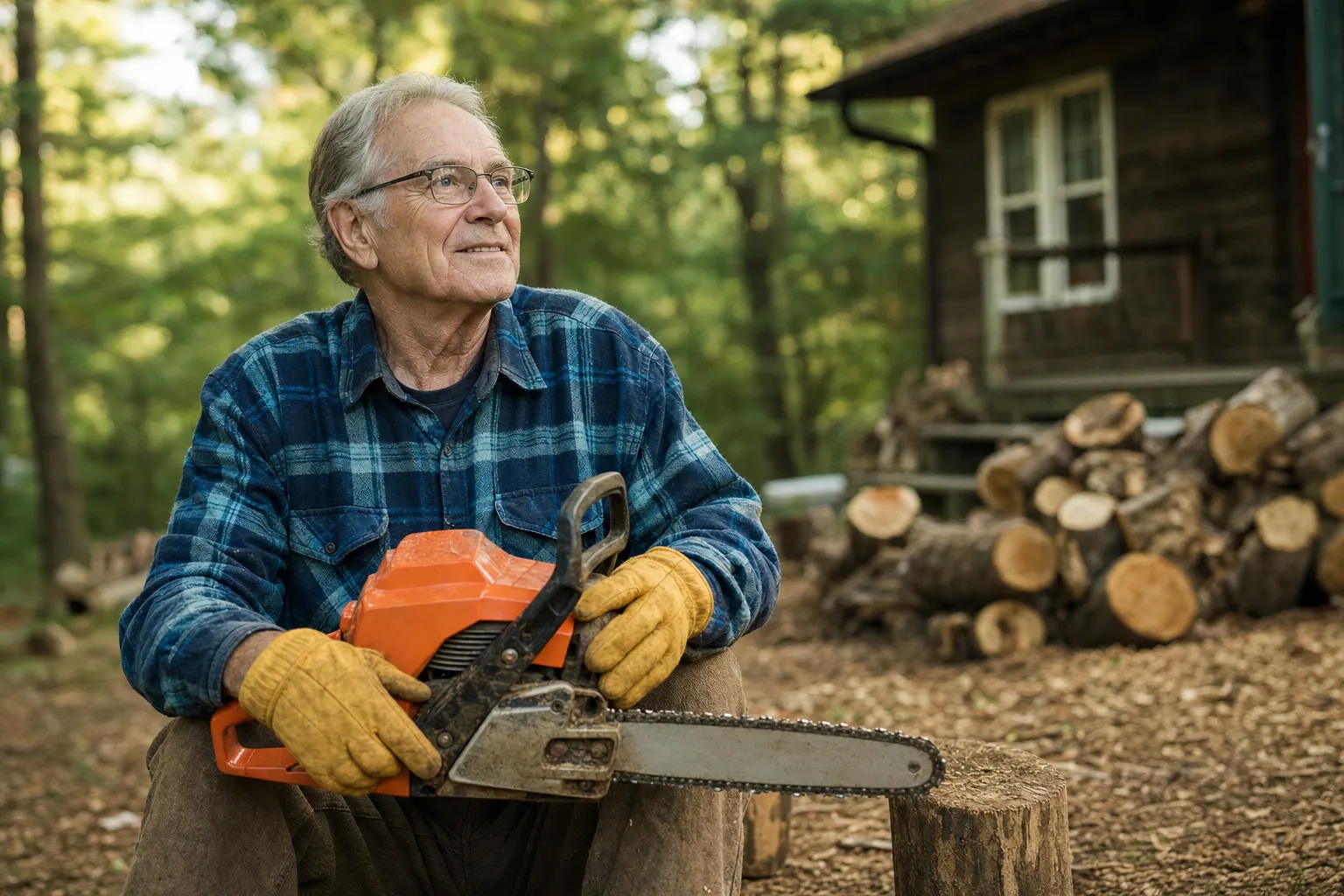
If you’re wondering whether you—or someone you care about—is too old to use a chainsaw, the answer isn’t as simple as a number. There is no universal age limit. Instead, the risks of chainsaw operation shift as we age, and the right decision depends on your individual health, reflexes, and experience. Here’s what matters when it comes to safe chainsaw use in your later years—and how to set yourself up for success, no matter your age.
Factors That Matter More Than Age
Physical Strength and Coordination
A chainsaw, even a smaller model, demands a steady grip, strong core, and full control in case of a kickback or snag. As people age, muscle mass and hand strength naturally decrease, which may affect your ability to react quickly and manage a saw’s vibration safely. It’s important to honestly assess whether you can firmly handle the weight and hold a steady cut without fatigue setting in.
Vision and Hearing
Good eyesight is crucial for judging wood grain, noticing obstacles, and tracking the chain’s path. Likewise, good hearing helps you recognize when the saw ‘sounds off,’ or when someone nearby may call out a warning. If you wear glasses or hearing aids, make sure any safety gear you use is compatible and doesn’t compromise protection.
Balance and Flexibility
Felling a tree or limbing branches sometimes means awkward footing or reaching overhead. Reduced flexibility or a less stable sense of balance—common with age—raise your accident risk. Ask yourself: Can you squat, kneel, or adjust quickly if a branch moves unexpectedly or footing shifts?
Medical Conditions and Medications
Certain conditions—like arthritis, diabetes-related nerve issues, heart problems, or limited mobility—can directly compromise safe chainsaw use. Some medications also affect balance, alertness, or coordination. Be sure to talk with your doctor about any drugs you’re taking and discuss their impact on any power tool tasks.
Experience and Comfort Level
Experience counts: seasoned users tend to have deeply ingrained safety habits and judgment about when to stop. However, overconfidence can still lead to slips. Whatever your age or experience level, don’t view routine as a substitute for vigilantly assessing your current capabilities each time you pick up the saw.
How to Assess Your Readiness
There’s no fail-safe questionnaire, but these steps can help evaluate your decision:
- Run a Self-Check: Grip a five- to ten-pound object at arm’s length for several minutes. Can you do it without shaking or tiring quickly?
- Test Your Gear: Put on all your planned protective equipment—including gloves, helmet, ear and eye protection—and try common motions (lifting, kneeling, stepping over an obstacle). Do you retain full range of movement and balance?
- Practice Response: Imagine the saw jams or kicks back. Can you step aside, let go, or react safely and quickly?
- Consult Family or Friends: Bring in someone you trust to observe your technique and give honest feedback.
- Listen to Your Gut: If you feel hesitant, anxious, or unsure, put the task off until you’re confident—or consider hiring out the work.
Safety Strategies for Aging Operators
- Use Lighter, Modern Chainsaws: Models designed with anti-vibration technology and lighter chassis ease physical strain. Consider whether a battery-powered or electric saw could be safer than a heavier gas unit.
- Sharpen Up on Safety Gear: Always wear chaps, gloves, helmet (with face shield), and ear protection—no exceptions.
- Stick to Daylight, Good Weather, and Clear Ground: Poor light and wet, unstable footing are extra risky for older operators.
- Take Frequent Breaks: Fatigue increases accident risk. Work in short sessions and reassess after each.
- Keep the Work Area Clear: Move slowly, with deliberate steps, and avoid multitasking. Notify someone before using the saw in case you need assistance.
- Learn New Techniques: As you age, it’s worth refreshing your skills through local safety workshops or online videos. Some manufacturers publish resources specifically designed for older users.
Common Questions
Is There an Official Age Limit?
It’s a personal, practical decision based on your health, safety awareness, and honest self-assessment.
Should I Stop If My Hands Shake or My Vision Changes?
Hand tremors, loss of grip strength, and worsening eyesight significantly raise the risk of losing control. If you notice these issues, it’s time to reconsider chainsaw use for anything but the smallest, simplest cutting chores—and even then, extra caution is required.
What Are the Alternatives?
Many rural landowners and seniors opt for:
- Hiring a professional for large jobs
- Using manual saws or loppers for small limbs
- Asking family, friends, or neighbors to assist
- Renting lighter equipment
- Clearing brush in manageable increments instead of tackling everything at once
A Note on Chainsaws and Rural Living
Chainsaws are essential tools on many homesteads, small farms, and rural properties. While being independent and self-reliant is a core value for many, so is keeping yourself safe and connected to help. If operating a chainsaw is becoming risky, consider all the options for doing the job safely or getting help.
How Technology—Like Internet Access—Supports Rural Safety
Reliable broadband enables rural families to:
- Watch safety demonstrations and get manufacturer tutorials online—before ever picking up a saw
- Video-call neighbors or professionals for instant help or advice
- Access local contractor directories and schedule a pro when needed
- Stay connected in case of accidents or weather emergencies when landlines are unreliable
If you don’t have dependable internet where you live, look for rural-first services that reach beyond traditional cable or satellite. Services such as Blazing Hog Air Fiber provide plans with up to 500 Mbps speeds (actual speeds may vary by location; a 30-day free trial lets you test service at your own address before you commit). These plans offer truly unlimited data for most families, subject to customer-appropriate usage reviews according to company policy—not surprise restrictions. Strong, reliable rural internet makes it easier to learn—and to get help should you need it.
Disclaimer: Always check with your local authorities about permit requirements or any regulations before beginning new outdoor projects, and never use any internet service for medical monitoring or emergency alerts. The rules differ by area and service is not intended for life-safety tasks.
Rules vary by location: check with your state and local authorities about the permits and regulations required for this work before you start.
Source: How Old Is Too Old To Use a Chainsaw? (Family Handyman, October 21, 2026)