
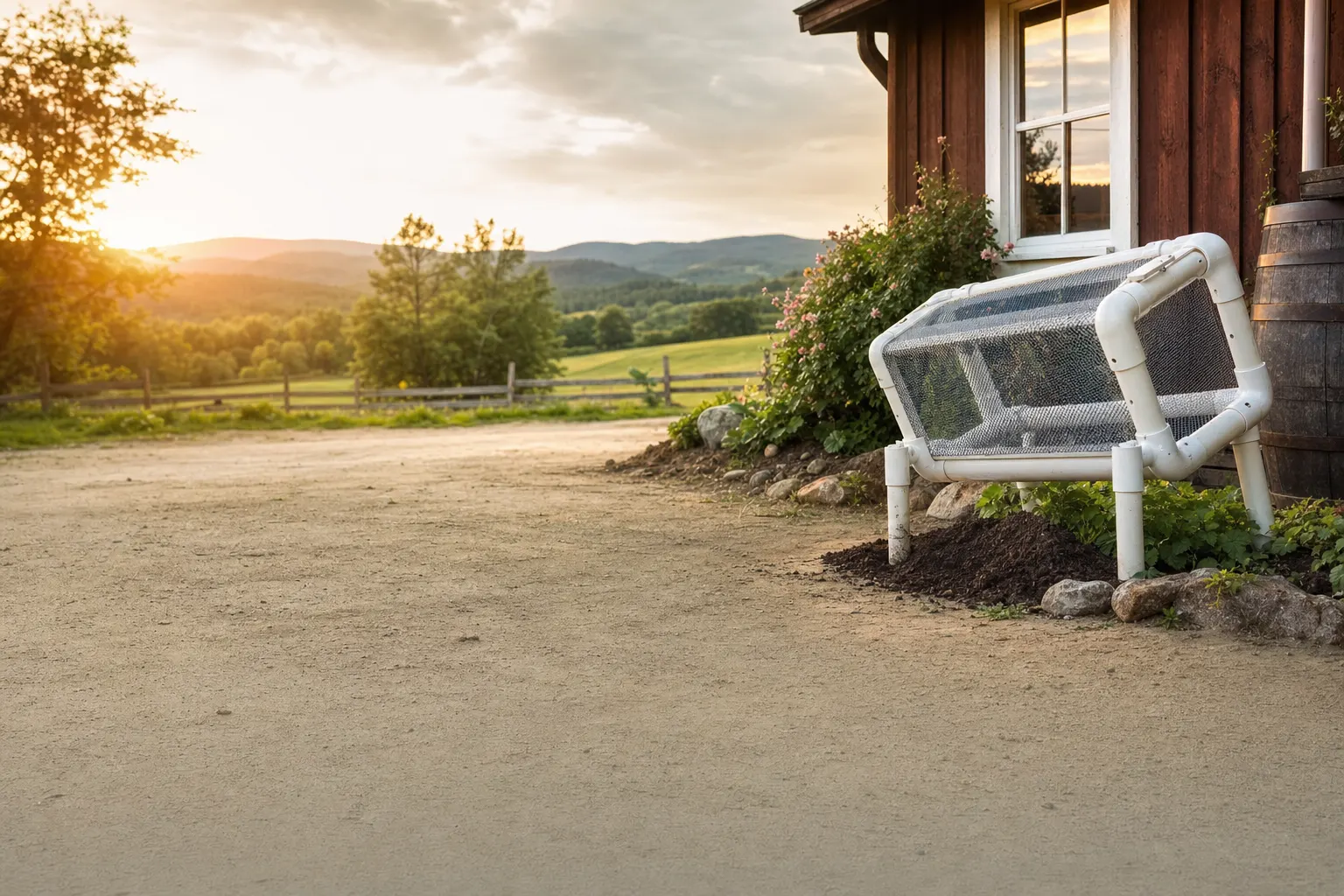
When a headline announces, "Man Turns PVC Pipe Into A Nifty Soil Sifter With An Impressive DIY," the lesson isn’t just creative gardening—it’s a case study in rural ingenuity at its best. Anyone can build a soil sifter with basic materials, and that same do-it-yourself approach is transforming how people in rural areas solve bigger challenges, whether that’s for their backyard, their farm, or even their internet access.
Lessons in Resourcefulness: When Standard Solutions Don’t Cut It
What this story captures isn’t just a “neat trick”—it’s a philosophy. In many rural settings, especially where the nearest specialty shop might be far away, solutions like this aren’t optional. The builder finds a workaround. The process values:
- Function over labels: If it works, it works—regardless of brand or price tag
- Adaptability: If you need a larger sifter, extend the frame
- Self-sufficiency: Being able to build, fix, and adjust as needed
Rather than waiting on shipping delays or spending extra for mass-market products, rural DIYers roll up their sleeves and customize something for their real conditions. This hands-on, ‘make it fit’ logic spreads across rural life—from machinery repairs to internet access equipment.
Pitfalls and Improvements: What to Watch When Building a Garden Sifter
Even simple builds can go wrong. Here are a few practical points to keep in mind if you’re tackling a soil sifter or similar project:
- PVC Joint Strength: For large sifters (big plots, heavy dirt), reinforce joints so the frame won’t pop apart if dropped.
- Mesh Durability: Steel mesh lasts, but sharp stones and rough use can fray or tear it. Keep spares at hand.
- Cleanup: Soil and organic matter can get packed in crevices; clean after each use for longevity.
- Safety: Wear gloves—cut mesh edges can be sharp.
If you want to customize, think about mesh hole sizing (fine for seeds, larger for mulch), frame size (for planters vs. big beds), and mount points (can you prop the sifter on saw horses or across a wheelbarrow?).
How This DIY Philosophy Applies to Rural Internet—and How Blazing Hog Fits In
The soil sifter’s lesson is about practical problem-solving with what you have—or can easily get. Rural and remote properties face the same kind of challenge when it comes to internet: mainstream solutions often fall short, are overpriced, or are simply unavailable. It’s not just about “making do”—it’s about making better.
Blazing Hog, for instance, was built precisely from this tradition of rural adaptation. Its founder saw that standard internet didn’t reach the places he and his family actually lived and traveled. Rather than settle for unreliable spotty connections or capped plans, Blazing Hog used a hybrid model—building on fiber backbones, then delivering service wirelessly from towers placed to serve rural areas. The key? The network reaches where others don’t, and the plug-and-play system can be set up without a technician in most cases. There are no credit check hoops—just a requirement to qualify for service eligibility—not a credit repair tool.
The parallels are clear:
- Instead of waiting for cable or fiber construction, families use wireless equipment that can be set up quickly for their farm, home, or RV.
- Instead of data caps and hidden limits, Blazing Hog offers unlimited data plans (restrictions may apply—usage over 2TB/month or non-family/household use can be reviewed under company policy; details are provided in their terms).
- Rather than anonymous call centers, Blazing Hog strives to provide support from people experienced with rural challenges, offering a Texas-based support team who use the same service themselves.
A 30-Day Free Trial with up to 500Mbps internet allows you to test whether the service works for your real needs, on your property, before any long-term commitment—just as a DIYer builds a prototype before fully investing.
If a hands-on approach works for your garden, it’s likely to work when figuring out the best internet solution for your rural household. Learn more about how a rural-focused provider applies this philosophy—and see if Blazing Hog’s approach fits your needs—at blazinghog.com.
Final Thoughts and Practical Next Steps
Rural ingenuity isn’t about cutting corners—it’s about solving real problems with practical tools you can trust and modify. The PVC soil sifter project is a small example, but it exemplifies the hands-on problem solving needed for bigger challenges too. If you apply that proactive mindset to home connectivity, research the tools and providers that offer what you genuinely need, and ask: Does this solution really fit my life, not just ‘the average household’?
Before you build or install any equipment, always check with your local and state authorities about the permits required for your property or project. The rules differ by area, so verify compliance before you start. For any internet or electrical work, consult a qualified professional if you’re unsure about safety or requirements.
Rules vary by location: check with your state and local authorities about the permits and regulations required for this work before you start.
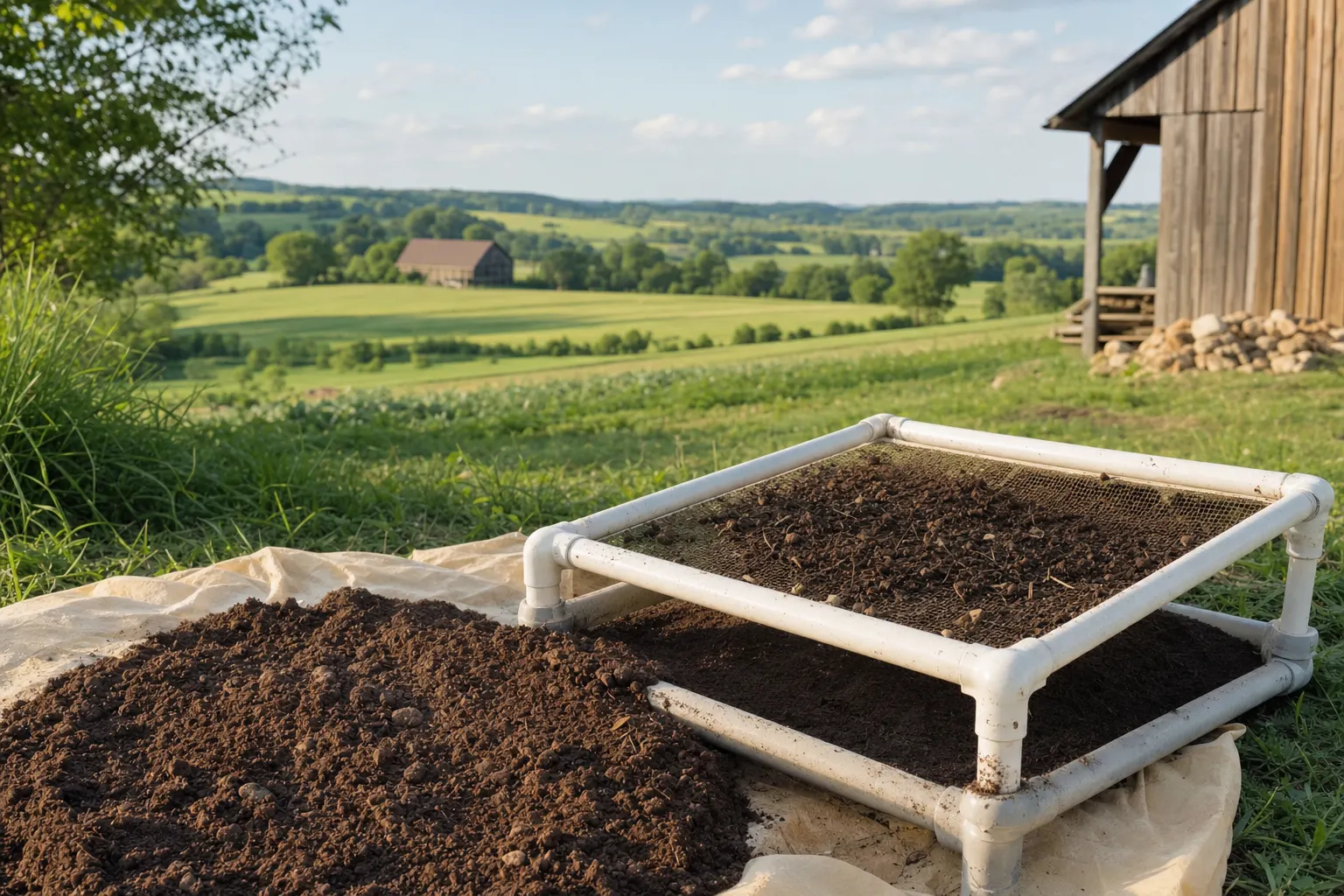
Source: Man Turns PVC Pipe Into A Nifty Soil Sifter With An Impressive DIY (Hunker: Inspired Home Design, Gardening Tips, and DIY Improvements, October 31, 2026)