
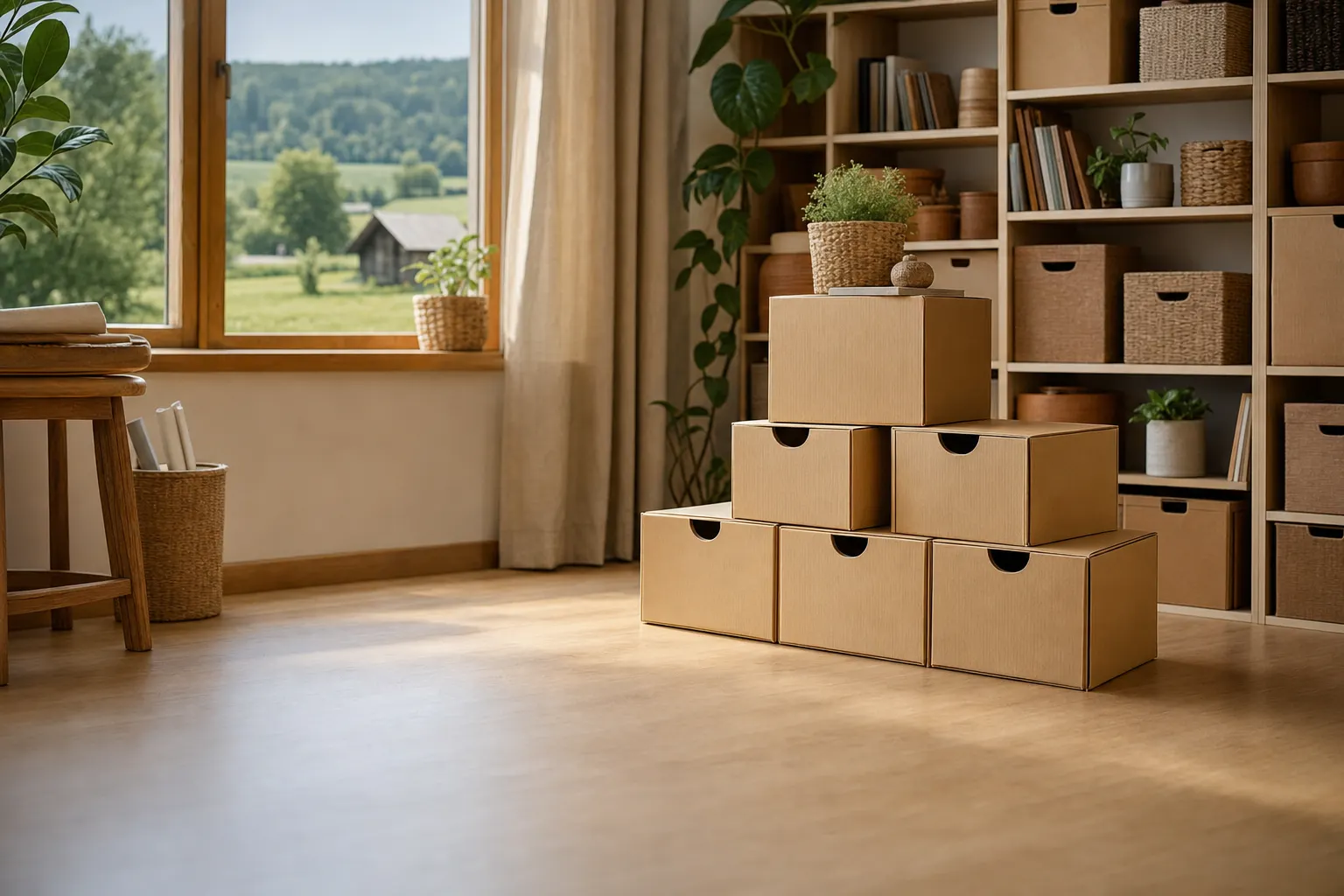
If you’ve got leftover cardboard boxes and a drive to organize, you can transform that waste into practical, personalized storage with just a little creativity and some basic tools.
What the Headline Means for DIY Crafters
The news item highlights a hands-on project: turning used cardboard and paper into impressive, unique storage solutions. While the article doesn’t detail every technique, it signals a growing interest in sustainable, cost-saving projects—especially relevant to rural residents where new storage solutions can be expensive or hard to source. For many living outside metro areas, the ability to create practical storage from available materials is both a matter of necessity and pride.
Practical Steps: Cardboard Upcycling Methods That Work
Based on well-shared upcycling methods, here’s how you can turn cardboard boxes into durable, attractive storage bins:
- Select Sturdy Boxes: Choose moving or shipping boxes that still have rigid corners; heavy-duty cardboard works best.
- Reinforce Walls: Double-layer the box’s walls by gluing extra sheets of cardboard to the inside panels. This adds structural integrity—essential if the bin will hold heavier items.
- Secure the Base: Reinforce the bottom with additional glued or taped cardboard—cross-layer for best results.
- Smooth the Edges: Cover sharp or rough edges with masking tape, which can later be painted or papered for a finished look.
- Customize Handles: Cut out handholds, then reinforce them with glued strips or duct tape for comfort.
- Decorate: Wrap the box with leftover fabric, rope, or gift wrap—adhere securely using spray adhesive or white glue. You can label the exterior with a permanent marker or attach custom tags.
These basics mean even a novice can build custom storage bins, magazine files, or tool organizers. The approach is adaptable—by layering cardboard and strengthening key stress points, the containers become sturdy enough for seasonal decorations, canned goods, or school supplies.
The Value for Rural and Remote Creators
DIY projects like cardboard storage upcycling solve unique rural challenges. Hardware or storage supply stores may be a long drive away and online ordering isn’t always fast or cheap. Upcycling gives rural families and crafters a flexible, low-cost way to tackle home organization or project needs. It also reduces waste, which appeals to many who value self-sufficiency and sustainability in daily life.
But there’s another angle: access to information. Most creative upcycling ideas, product reviews, and how-to videos live online. For rural Americans, accessing detailed tutorials, joining maker communities, or troubleshooting project hiccups in real time depends entirely on having a reliable internet connection.
Why Connectivity Is Essential for Rural DIY
While urban and suburban DIYers can quickly search for detailed instructions, rural crafters often face slow, capped, or unreliable internet. This can turn a promising project into an exercise in frustration—if a step-by-step video won’t load, or if large tutorial files stall during download. Without dependable connectivity, even the best upcycling initiative can stall at the planning phase.
Examples of digital tasks rural DIYers rely on include:
- Watching or pausing high-definition build tutorials
- Participating in craft or maker forums to ask troubleshooting questions
- Uploading project photos for advice or friendly competition
- Connecting to video calls for virtual craft classes or sharing results with friends
Unreliable internet disrupts all of these and makes it difficult to fully benefit from the shared knowledge of the modern DIY community.
How Blazing Hog Supports Rural Creators (Product Tie-Back)
Blazing Hog recognizes this challenge and was founded specifically to overcome the digital disadvantages faced by rural households and makers. Its Air Fiber internet service is designed for people in hard-to-reach areas, farms, and outlying properties that traditional cable, fiber, or satellite providers often leave behind.
- Broad Availability: Blazing Hog offers coverage across rural America (except New York), helping those in isolated locations access fast internet.
- Speeds Up to 500 Mbps: Plans deliver up to 500 Mbps, supporting reliable video streaming, downloads, and uploads. Actual speeds may vary by location and network conditions.
- Truly Unlimited Data—with Terms: There are no standard data caps for residential use; however, usage over 2TB/month may be reviewed for possible commercial use or abuse. Service may be modified or terminated if this threshold is exceeded.
- Reliable Support: All customer support comes from real, USA-based staff who understand rural connectivity needs—no offshored call centers or chatbots.
- Easy Setup: Plug-and-play equipment is designed for quick setup even in remote cabins, sheds, or farm outbuildings.
- Risk-Free Trial: New customers can test Blazing Hog with a 30-Day Free Trial (terms apply), making it straightforward to verify if the service fits your household’s needs.
Blazing Hog is designed to minimize buffering and interruptions for streaming and uploads, but speeds and reliability can vary by location; uninterrupted streaming cannot be guaranteed. Service is not intended for medical monitoring, unmanned vehicle control, or life-safety uses. Up to 500 Mbps speeds may vary by location and network factors. Usage over 2TB/month may be reviewed for misuse and can result in service modification or termination.
For rural DIYers, this kind of internet access is not simply about convenience—it empowers you to follow the detailed tutorials and project instructions that make upcycling efforts like custom cardboard storage possible and enjoyable. Whether you’re building bins for a farm shop, organizing a home office, or bringing a new creative idea to life, reliable connectivity helps you be part of the digital crafting community—from your own kitchen table.
Before starting any DIY project or setting up new internet service, check with your state and local authorities about any permits or requirements that may apply in your area.
Source: She Upcycles Cardboard And Paper Into Unique Storage With An Impressive DIY (Hunker: Inspired Home Design, Gardening Tips, and DIY Improvements, November 4, 2026)