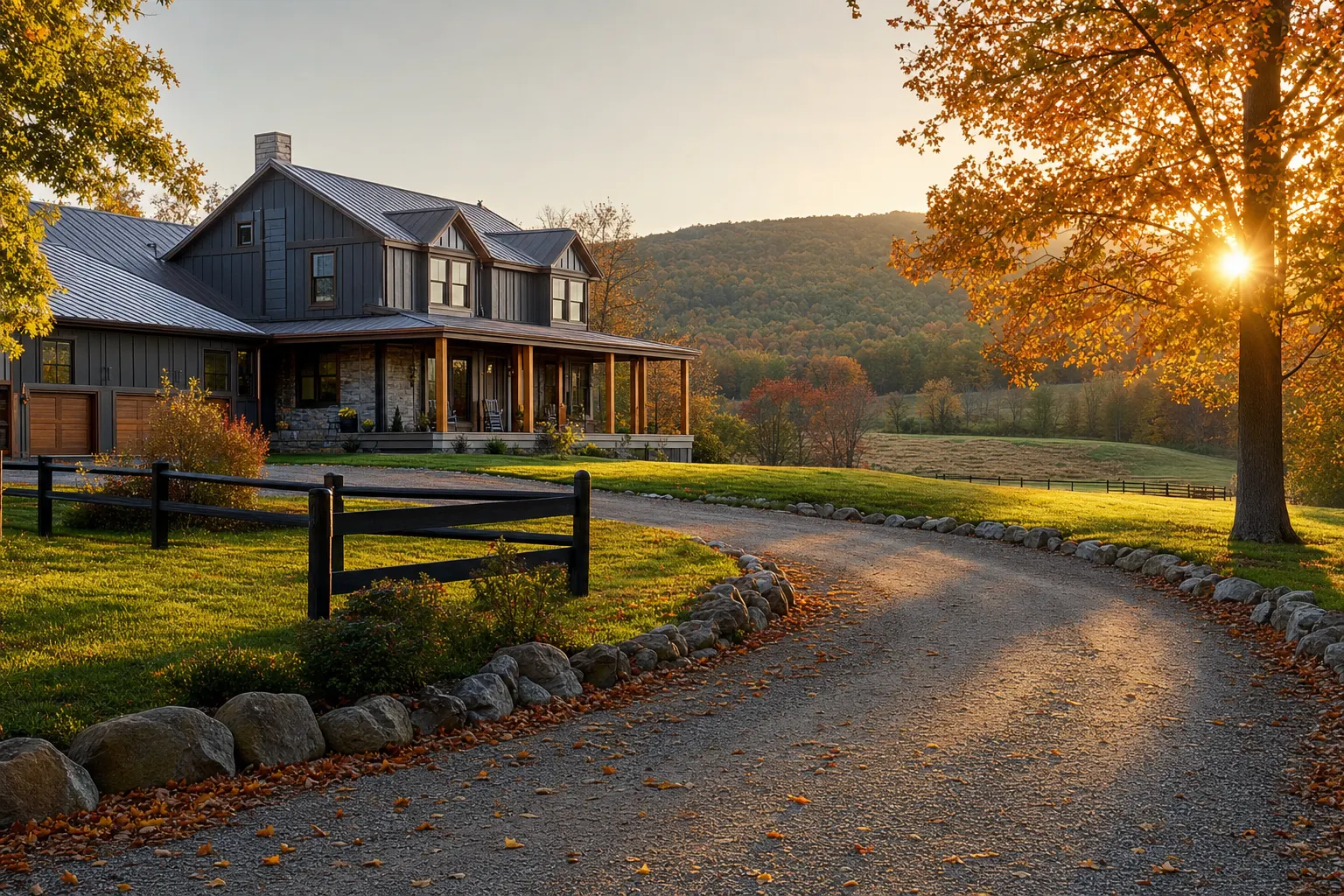
As fall approaches, rural homeowners face a practical truth: a few well-timed maintenance steps before the first cold snap can mean the difference between a snug winter and a season defined by preventable repairs. The reviewed sources consistently recommend tackling your checklist early to protect your house and budget from winter’s surprises—regardless of your region’s climate severity[2][3][4]. Below is a prioritized list of what to handle, with notes to help you adjust for local weather risks and rural property realities.
Why Fall Preparation Matters
While the specific needs can vary—milder climates may have more flexibility, and harsh regions demand urgency—every homeowner benefits from addressing big-ticket systems and vulnerable areas before temperature drops.
Top Priority: Heating System Tune-Up
For both comfort and safety, servicing your heating system is universally recommended as a pre-winter essential. The checklist articles agree: fall is the right time for an annual HVAC or furnace tune-up, so you’re not caught unprepared on the first chilly day[4].
- Why it matters: Expert-backed advice suggests annual, professional furnace maintenance each fall helps improve efficiency, extend equipment life, and spot issues before they become costly repairs[4].
- What to do: Schedule a licensed HVAC technician (ideally before cold weather really sets in, as local pros book up fast). Have your system inspected, cleaned, and tested for safe, reliable operation. Replace filters and ask about checking carbon monoxide detectors at the same time.
- Climate variations: In milder regions, a quick system test and a filter change may be adequate if your system is newer and lightly used, but in colder zones, a full tune-up before consistent lows is particularly critical.
- Timing: Don’t wait—schedule now. Many regions see a rush of appointments in early fall; a late request means longer waits or riskier DIY fixes when you need heat fast[4].
Whole-House Basics to Prevent Major Cold-Weather Damage
While evidence from the reviewed fall checklists is limited to HVAC, common maintenance guidance for home exteriors and core systems includes:
- Seal gaps and weatherstripping: Prevent cold air drafts, frozen pipes, and lost heat by checking for drafts around windows, doors, and exterior walls. Add caulk or new weatherstripping where needed.
- Check insulation: Inspect attics and crawlspaces; add or adjust insulation to avoid heat loss and pipe freezing.
- Protect plumbing: In freeze-prone areas, shut off and drain exterior spigots, insulate exposed pipes, and know how to turn off your main water supply.
- Clean gutters and downspouts: Prevent ice damming and water intrusion by clearing leaves and debris, ensuring water drains at least several feet from your foundation.
- Inspect your roof: Visually check for missing or damaged shingles, loose flashing, and roof valleys vulnerable to leaks when snow or heavy rain arrives.
- Test smoke and carbon monoxide detectors: Essential throughout winter, especially when heating appliances are in use.
Note: The reviewed evidence does not cover these exterior and plumbing steps directly—these tasks are included based on widespread best-practice recommendations in fall home care, but not as direct findings from the retrieved articles.
Yard, Driveway, and Outbuildings
A rural property requires a broader check than the average suburban lot. For security and access through winter:
- Trim trees and branches: Remove deadwood near the house, power lines, or driveways—ice storms and wind can bring limbs down unexpectedly.
- Outbuildings: Check roof condition, doors, and windows in barns, sheds, and garages. Move temperature-sensitive supplies to frost-free locations.
- Gravel or unpaved driveway prep: Repair potholes, clear drainage ditches, and grade the surface to avoid impassable mud or ice.
- Secure outdoor equipment: Store hoses, garden tools, and fuel-driven equipment properly to avoid freeze or theft.
(Again, while these points reflect rural realities, the reviewed sources do not address driveway or outbuilding prep specifically.)
Adjusting Priorities for Different Climates
The urgency and scope of fall tasks depend on your expected winter:
| Region | Heating System Priority | Plumbing Protection | Exterior Inspection | Yard/Outbuilding Prep |
|---|---|---|---|---|
| Severe Winter | Essential (full tune-up) | Essential (drain/insulate) | High (roof, attic, seals) | High |
| Milder Winter | Recommended (test & filter change) | Optional (insulate at risk) | Moderate | Moderate |
If you’re new to your area, ask local neighbors or extension offices what they watch for each fall.
What Is Urgent vs. "Nice to Have"
- Urgent: Heating system check, sealing home envelope, plumbing protection in freeze zones, working detectors.
- Nice to Have: Gutter cleaning (if no overhanging trees), deep driveway grading in mild climates, organizing sheds if not sensitive to temp.
Don’t Forget Home Connectivity and Backup Plans
If you rely on remote work, camera security, telehealth, or kids’ online learning, fall is also the time to check that your internet and any needed backup plans are winter-ready. Make sure communications can weather an outage—especially where severe storms or ice are routine.
Product Tie-Back: How Blazing Hog Supports Reliable Rural Living
For rural families, dependable internet has become as vital as heat and running water—especially when snow or storms limit trips to town. Blazing Hog was born from the belief that rural homeowners deserve high-speed, truly unlimited internet even in areas traditional providers skip. With plans offering up to 500 Mbps, no long-term contracts, and a 30-Day Free Trial, Blazing Hog serves customers from remote cabins to working farms nationwide (except New York). Fast setup and family-first support mean you can focus on preparing the rest of your property, knowing you’ve got the online connection you need for work, school, or a well-earned family movie night, regardless of how far out you live.
How these sources were selected
Research was performed on October 19, 2026, focusing on publicly available, checklist-driven articles that specifically address fall maintenance for cold weather. Of the 12 results screened, four directly relevant checklist articles (all syndications of the same Family Features piece) were used because they best matched the task of fall home prep for winter.
Rules vary by location: check with your state and local authorities about the permits and regulations required for this work before you start.