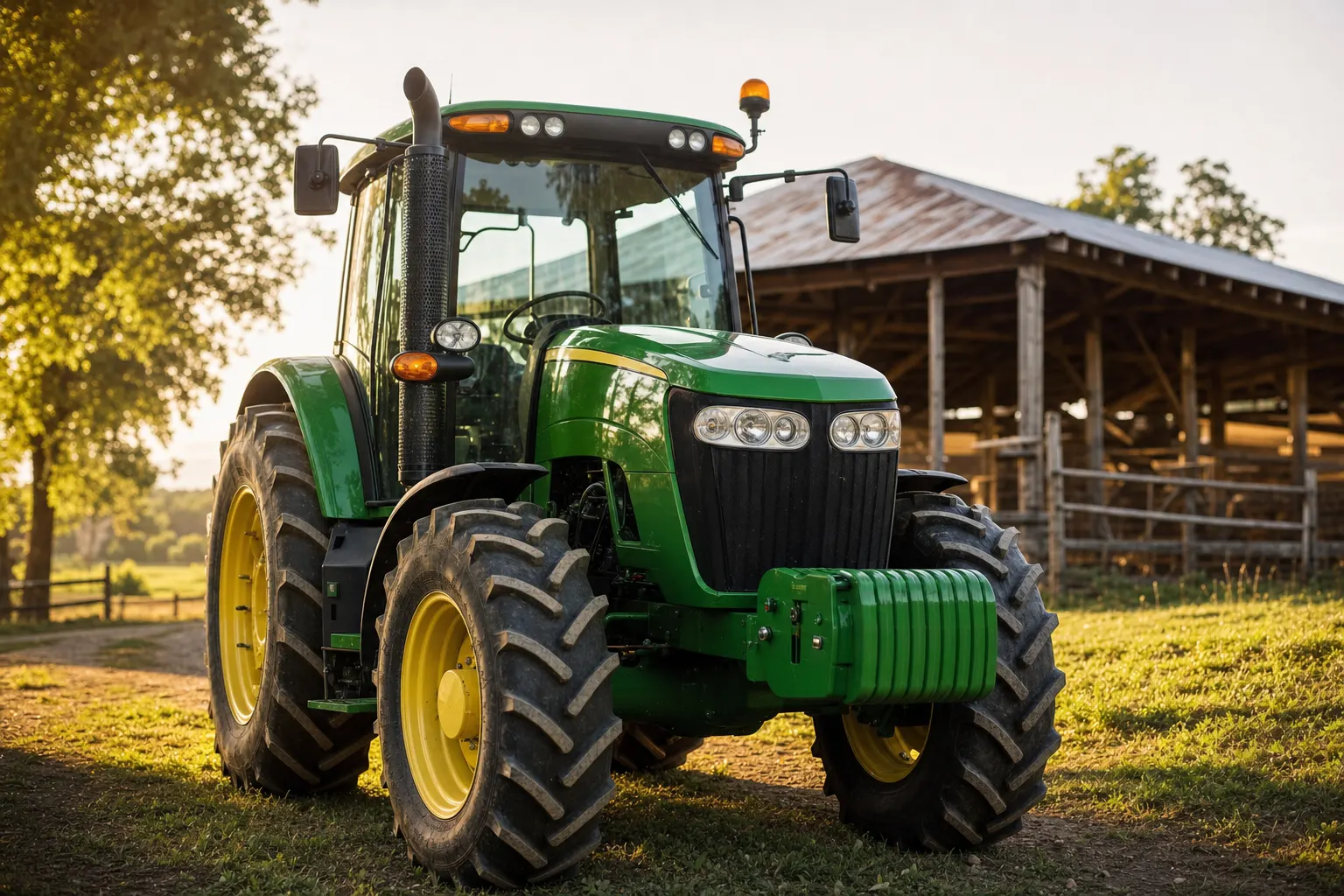
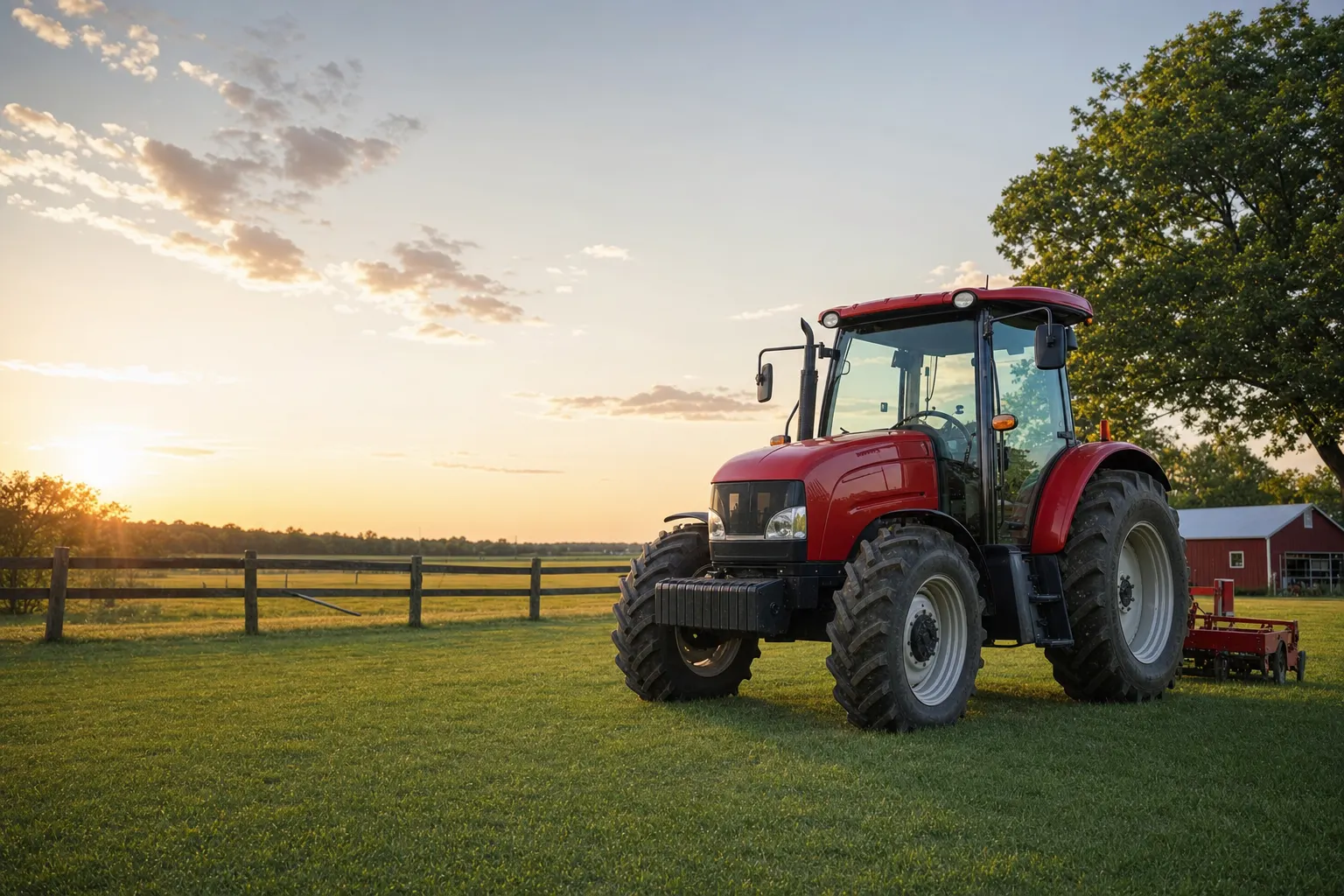
If you operate a tractor—whether tending a few acres or managing a working farm—rust is one of your most persistent enemies. Once it starts, rust can eat through metal, weaken critical parts, and cost you dearly in repairs or downtime. The good news? With a clear routine, a handful of reliable products, and attention to detail, you can keep rust at bay and protect the investment that keeps your work moving.
Why Tractors Rust (and Where to Watch Closely)
Tractors face more rust risk than many machines because they spend their lives outdoors, exposed to rain, humidity, fertilizer, and mud. Rust forms when iron or steel is exposed to water and oxygen for long enough; the process accelerates if fertilizers and chemicals are involved.
Key rust-prone parts:
- Undercarriage: Exposed to mud, salt (in some regions), and moisture
- Wheel wells and rims: Trap dirt that holds moisture
- Hinges, joints, and moving linkages
- Seam welds and tool mounts
- Battery trays and engine compartments (where acid or battery leaks can invite corrosion)
- Paint chips, scratches, or bare metal anywhere on the frame
Focus your attention on these areas during every check and cleaning—they’re where rust usually starts.
Step-by-Step Routine to Stop Rust Before It Starts
1. Smart Storage
The most effective way to prevent rust is to reduce your tractor’s exposure to moisture. Store your tractor under cover whenever possible. A well-ventilated barn, shed, or even a three-sided shelter will protect paint and metal from rainfall and dew. If covered storage isn’t an option, invest in a tarp made for vehicles—but leave room for air movement underneath to avoid trapping condensation.
Tip: Store attachments off the ground on pallets or shelves. Tools left in contact with wet soil or concrete will rust even faster.
2. Consistent Cleaning
Mud, plant debris, and fertilizer left on equipment act like a sponge, keeping moisture directly against metal parts. Wash your tractor regularly with a hose or low-pressure washer. For deep cleans, pay careful attention to the undercarriage, wheels, steps, and any spots where mud accumulates. After washing, let the tractor dry thoroughly before you park it or apply any protective sprays.
3. Inspect for Paint Chips and Scratches
Exposed bare metal is the beginning of most rust patches. During every wash or post-job clean-up, look for chips, deep scratches, or areas where paint is worn off. Promptly drying and repainting these spots with a tractor enamel or rust-inhibitor paint can keep them protected through the season.
4. Apply Rust Inhibitors and Lubricants
There is no shortage of products marketed for rust prevention. For tractors stored outdoors or used in wet conditions, rust-inhibiting sprays (such as those containing lanolin, wax, or light oils) can be applied to moving joints, exposed bolts, and cut metal edges. Some operators prefer specialized products for farm machinery, while others rely on tried-and-true options like WD-40 or dedicated corrosion inhibitors. Follow the manufacturer instructions for application intervals and coverage. Avoid over-spraying areas that you plan to repaint soon.
Tip: Grease all zerks and moving linkages on schedule. Regular lubrication not only keeps components moving easily but also creates a water-repellent barrier.
5. Regularly Drain Water Traps and Check for Moisture
On older tractors, drainage holes in footwells or toolboxes may get clogged, trapping water. Open toolboxes, check battery compartments, and clear any blockages so moisture doesn’t sit undetected. On newer units, ensure that rubber seals on access panels and compartments are in good shape.
6. Rapid Repair: Don’t Let Minor Rust Spread
If you catch a small patch of rust, act quickly. Wire-brush or sand the area until you see clean metal. Wipe away dust, then treat with a rust converter or primer before recoating with appropriate paint. Don’t save this for later—rust can double or triple in severity over a single season.
What NOT to Do: Common Mistakes in Tractor Rust Prevention
- Don’t wash and then park without drying: Trapped moisture does more harm than good.
- Don’t use random household paints: Only use paints rated for metal and outdoor agricultural use to ensure proper bonding.
- Don’t ignore attachments: Tools, loaders, and trailers need the same attention as your main equipment.
- Don’t skip lubricating joints: Dry linkages collect dust and water, speeding up corrosion.
Maintenance Intervals: How Often Should You Inspect?
Your exact schedule depends on how often you use your tractor and local climate. As a rule:
- Quick visual check: After every muddy or wet job
- Rinse/clean: Weekly during heavy use, monthly in light duties
- Lubricate/protect: Every 25-50 hours of operation or as recommended in your operator’s manual
- End-of-season deep clean: Before long-term storage or at the close of each major use season
Create a routine checklist on your phone, your shop wall, or in your service log: seeing the tasks in writing helps keep them from slipping.
How High-Speed Rural Internet Supports Preventive Maintenance
Operating a tractor today means access to a world of online manuals, expert repair videos, and parts ordering—all of which help you keep your equipment in top condition. Many modern farms use wireless security cameras, digital logbooks, or even remote-control irrigation panels, all of which rely on a steady internet connection even in the most rural settings.
That’s where services like Blazing Hog’s Air Fiber make a real difference. Blazing Hog delivers rural internet with speeds up to 500 Mbps and truly unlimited data (subject to account reviews; accounts may be reviewed or canceled in cases of misuse or excessive data usage, typically above 2TB/month). With easily installed equipment and a 30-Day Free Trial, you can handle equipment research, consult with mechanics by video, and run your farm applications reliably. Service availability is address-dependent, and customer support is always USA-based. For full details or to check coverage in your area, visit blazinghog.com.
Before beginning repairs or modifying your equipment, always consult your tractor’s official service manual. Be sure to check with your state and local authorities regarding any permits or environmental requirements relating to outdoor equipment cleaning and storage.
Rules vary by location: check with your state and local authorities about the permits and regulations required for this work before you start.